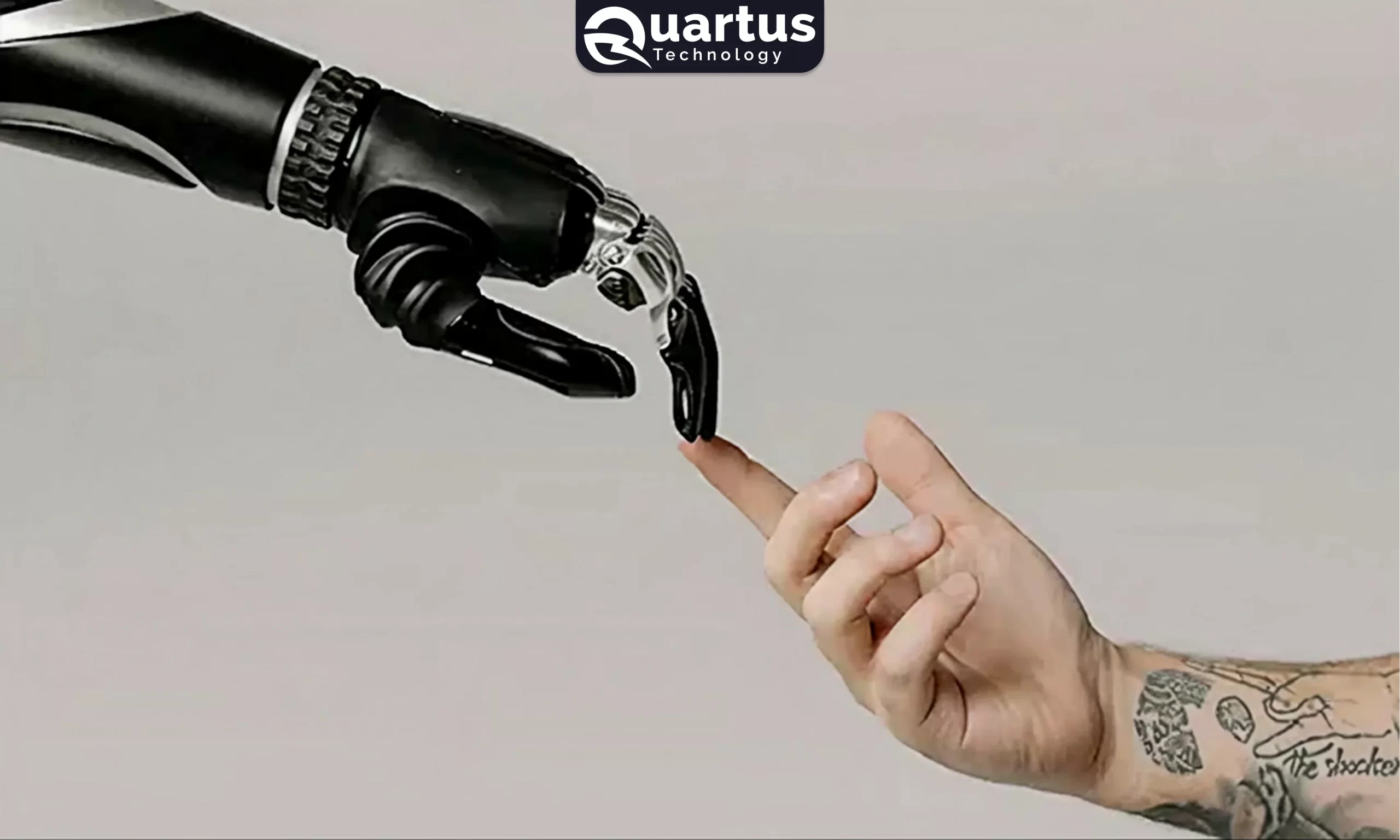
In today’s fast-paced digital world, the integration of Artificial Intelligence (AI) into UX/UI design is not just a trend but a necessity. The concept of “AI-First” UX/UI design is about leveraging AI to create smarter, more efficient, and personalized user experiences. In this blog, we’ll explore what AI-First UX/UI design means, how it transforms design practices, and the impact it has on the future of user interfaces.
1. What is AI-First UX/UI Design?
AI-First UX/UI design refers to an approach where artificial intelligence is at the core of the design process, influencing everything from user interactions to overall layout and functionality. It involves designing user experiences with AI-driven systems and algorithms that adapt to user behaviors, preferences, and needs in real time. This approach not only makes the interface smarter but also more intuitive and user-centric.
In AI-First design, the role of the designer shifts. Instead of just creating static layouts and predefined workflows, designers now need to build systems that continuously learn and evolve. This involves using AI tools that provide insights, analyze user data, and generate personalized interactions that enhance the user journey.
2. Why AI is Changing the UX/UI Game
AI is revolutionizing UX/UI design by providing new ways to personalize, automate, and predict user behavior. Here’s how AI is reshaping the field:
a. Personalization at Scale
AI allows designers to create hyper-personalized experiences by analyzing large sets of user data. By leveraging machine learning, AI can identify patterns in user behavior, such as preferred products, browsing habits, or search queries. This allows for dynamic interfaces that adapt in real-time, offering users content or recommendations that are tailored to their needs.
For example, e-commerce websites use AI to suggest products based on previous interactions, and social media platforms personalize feeds based on user preferences. The result is a more engaging and efficient experience for users, which can significantly boost conversion rates.
b. Enhanced User Interactions
AI can enhance user interactions by predicting what users want before they even ask for it. Intelligent chatbots, voice assistants, and predictive search tools are all examples of AI-driven elements that enhance the user experience.
For instance, voice-enabled assistants like Siri, Alexa, and Google Assistant are deeply integrated into UX/UI design, allowing users to interact with devices more naturally. Similarly, predictive search algorithms offer instant suggestions, reducing the need for users to type out their entire query.
c. Automation and Streamlined Processes
AI’s ability to automate repetitive tasks allows designers to focus on the more creative aspects of design. For example, AI-driven tools can automate content curation, layout adjustments, or even A/B testing, allowing designers to rapidly iterate and optimize interfaces.
By automating tasks like user testing or performance analysis, AI enables a more efficient design process, ultimately leading to better user experiences in less time.
d. Predictive and Proactive Design
AI can predict user needs based on their behavior patterns. For example, if a user tends to browse through specific categories of content, an AI-powered interface might prioritize those categories in future visits.
AI can also anticipate potential roadblocks in user flows and proactively address them. For example, a navigation app like Google Maps can predict traffic patterns and suggest alternative routes even before the user faces a traffic jam.
3. Key AI Technologies in UX/UI Design
To understand the full potential of AI-First UX/UI design, it’s essential to explore the technologies behind it:
a. Machine Learning (ML)
Machine learning allows algorithms to analyze and learn from data without explicit programming. In UX/UI design, ML can be used to personalize content, predict user behavior, and automate tasks. It’s the backbone of recommendation engines, adaptive interfaces, and real-time optimization.
b. Natural Language Processing (NLP)
NLP enables machines to understand and interpret human language. Chatbots and voice assistants rely heavily on NLP to understand user queries and respond in a conversational manner. For UX/UI designers, integrating NLP into an interface creates a more seamless and interactive experience.
c. Computer Vision
Computer vision enables machines to interpret and understand visual information. In design, this can be used to enhance accessibility (e.g., image recognition for the visually impaired) or enable gesture-based controls. It allows for more intuitive, touchless interfaces and provides innovative ways for users to interact with products.
d. Predictive Analytics
Predictive analytics uses historical data to forecast future outcomes. This can help UX/UI designers anticipate user needs, optimize design elements, and create proactive user experiences. For example, by analyzing how users engage with a platform, predictive analytics can suggest design changes to improve engagement or conversion.
4. Challenges of AI-First UX/UI Design
While AI-First design holds immense potential, it’s not without its challenges:
a. Ethical Considerations
AI-powered systems collect vast amounts of user data, and designers must ensure this data is used responsibly. There is always a fine line between personalization and privacy, and designers must take care to avoid invasive practices that could lead to user distrust.
b. Data Quality and Bias
AI systems are only as good as the data they’re trained on. Poor quality or biased data can lead to inaccurate predictions or unfair outcomes. Designers must ensure that AI algorithms are trained on diverse and high-quality data to prevent unintended bias.
c. Complexity and Learning Curve
Integrating AI into UX/UI design requires a high level of technical expertise. Designers need to be comfortable working with data scientists and developers to create AI-driven experiences. Additionally, staying updated with the latest AI trends can be overwhelming given how quickly the field is evolving.
5. The Future of AI-First UX/UI Design
As AI continues to evolve, its role in UX/UI design will become even more prominent. We can expect to see:
a. Hyper-Personalized Experiences
In the future, AI will further refine its ability to create hyper-personalized experiences. Websites and applications will be able to cater to individual preferences with such precision that each user feels like the platform was designed specifically for them.
b. Emotionally Intelligent Interfaces
AI will begin to interpret user emotions through data like facial expressions, voice tone, or interaction patterns. This will allow designers to create emotionally responsive interfaces that adapt based on the user’s mood or emotional state.
c. Augmented Reality (AR) and AI Integration
The combination of AI and AR is set to revolutionize UX/UI design. AI-powered AR interfaces could allow users to interact with digital content in more immersive ways, such as overlaying virtual elements onto real-world environments in real-time.
d. More Autonomous Systems
As AI grows more advanced, we’ll see the rise of self-optimizing systems. These systems will adjust their functionality and design based on real-time data, user feedback, and behavioral analytics without human intervention.
Conclusion
AI-First UX/UI design is not just the future—it’s the present. By incorporating artificial intelligence into design workflows, designers can create smarter, more intuitive interfaces that adapt to users in real-time. While the integration of AI brings with it some challenges, the benefits are undeniable: hyper-personalized experiences, streamlined processes, and more engaged users.
As technology continues to advance, we can expect AI to further enhance the capabilities of UX/UI design, making the user experience more dynamic, responsive, and accessible than ever before.